Even with transparent boxes lot of shaddy deals can occur. In the recent elections in Ghana there was news from Upper West Region that one voter tried to stuff the transparent box with as many as 20 thumb printed ballot papers. This was detected when electoral officials found that the guy was spending too much time in the booth. Before he could be grabbed … away he disappeared into the bush! He is yet to be caught to face the law.
The declaration of Professor Mills as the winner of the Presidential race is no more news. The tension and jubilation are dying down and serious business of running affairs of the nation begins. The incoming government has set up a transitional team to start work.
Both Nana Akufo Addo, the Presidential candidate of the New Patriotic Party and the outgoing President John Kufuor have congratulated Professor Mills on being declared the winner in the in Presidential election. The leaderships of the political parties and stakeholders sound reconciliatory. Thank God words from all over have helped in easing tension that could have exploded in violence.
The post election violence that characterised elections in some African countries of late never took place in Ghana.
From Senegal, I friend wrote, ‘congrats, Ghana has taught the rest of Africa something good’.
Election is not the main thrust of my post today. But allow me to go back to the improvements being made in the electoral process in Ghana… from the wooden ballot box to the transparent one.
Among the voters were a small group of people. The blind. There were tactile ballot papers for them to help them choose their representatives and leaders. But as the world marks the 200th anniversary of Louis Braille today, lets find out how the blind in Ghana have been coping with the problem of exercising their franchise.
My mother has just lost her sight. But when my camera flashed she realised it. But the total darkenss she is experiencing is a shock to the family, and to her. She can’t just come to terms with her predicament. She feels sad when friends shed tears for her situation. She is the type who does things for herself. But now she can’t effectively do everything for herself. She could not vote.
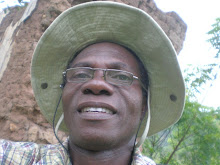
But many blind persons including Mr Eleazar Tetteh Plahar voted. I met this man ten plus years ago when I wanted to find more about the problems of the blind . It was well before the Disability Law was passed. I was surprised to see Mr Plahar moving about the whole compound of the Ghana Association of the Blind unaided.
My next interaction with Mr Palahar was at a training workshop at Donkorkrom in the Afram Plains. The training was part of efforts by the Ghana Community Radio Network to involve the blind in producing and broadcasting programmes.
(This reminds me of another blind friend, DJ Jeff . He is a Liberian broadcaster. We met the US while on an International Visitor Programme for some African broadcasters. Jeff flows on the air and enjoys his work. He has lot of courage to push through difficulties. He told me of a software for the blind called Jaw which helps him do a lot on the computer. We exchange emails and skype if possible).
Back to how the blind fared in Ghana’s elections. Mr Plahar told me the process of enabling the disabled to exercise their voting rights started with the coming into force of the 1992 constitution. With the help of some international organisations, tactile ballots were introduced into Ghanaian elections in 2001. They were tried in 2002 in 20 districts in the district Assembly elections. In the 2008 election, tactile ballot papers were available at the 21,000 polling stations.
‘But the process is not yet perfect,’ Mr Plahar complains. He said with tactile ballots the blind could vote secretly and independently. In the last elections, however there were no ‘jackets’ that go with the tactile ballot paper at his polling station. In order not lose his vote he wanted the assistance of the wife in thumb printing against the picture of the candidate of his choice. The electoral officials would not permit him. It took the intervention of senior Electoral official to allow Mr Plahar to be helped. ‘This is my wife, a woman I have confidence in… I did not understand why the officials were objecting to her assistance to me in casting my vote’.
Mr Plahar could not tell me the exact figure of blind people in Ghana. He said conservatively that out of population of 22 million, about one percent are blind. Mr Plahar who was the President of Ghana Association of the Blind, and immediate first Director of the Association thinks there is the need for more training for the blind and electoral officials and volunteers in the use of the tactile ballot papers.
ICT has made life easier for blind people who have access to computers and software. One could readily talk about audio books at audio.com which come with some cost after free trial. ICT or no ICT, Braille is still important.
Who made it possible for millions of blind people to vote, read and write and not banished to the dungeon total darkness?
Louis Braille we are told, in 1821 devised six dot positions arranged in a rectangle containing two columns of three dots each six positions that could be felt with the fingers. The Braille was based on a system developed by Charles Barbier in response to Napoleon’s demand for a code that soldiers could use to communicate silently without light at night called night writing.


Subscribe to:
Post Comments (Atom)
No comments:
Post a Comment